This PDF guides Tundra owners through vehicle functions, safety, maintenance, and troubleshooting offering instructions and diagrams for the 2018 model․ It ensures drivers understand controls, specifications, and care routines to keep their truck reliable and compliant․ All sections are user-friendly․
1․1 What Makes the 2018 Model Unique
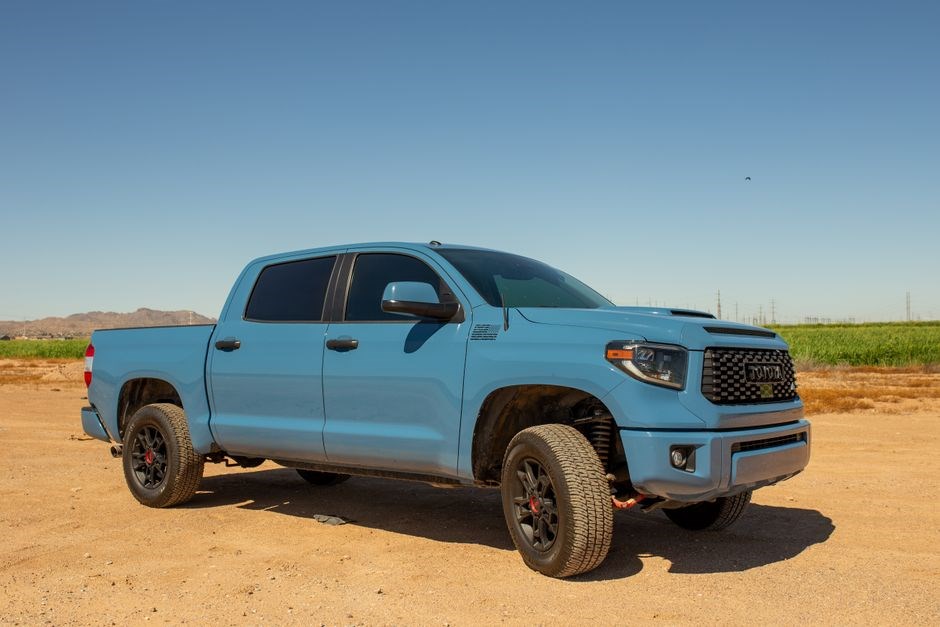
The 2018 Toyota Tundra marks a significant evolution in the line, blending power, technology, and safety into a package that feels both fresh and familiar․ At its heart lies a newly tuned 5․7‑L V8 that now produces 381 horsepower and 401 lb‑ft of torque, a noticeable lift over the 2017 version․ This engine is paired with an upgraded 6‑speed automatic transmission that offers smoother shifts, better fuel efficiency, and a more responsive driving experience․ The chassis has been re‑engineered with revised suspension geometry and a lower center of gravity, giving the truck tighter handling and improved stability on uneven terrain․
Safety technology has been expanded with the optional Toyota Safety Sense package, which adds adaptive cruise control, lane‑departure warning, automatic emergency braking, and a pre‑collision system․ Even without the package, the 2018 Tundra retains standard features such as a rear‑view camera, blind‑spot monitoring, and a robust air‑bag system․
From an exterior perspective, the 2018 model adopts a slightly more aerodynamic profile, reducing drag and improving towing efficiency․ The updated front fascia includes larger, more aggressive grilles and LED daytime running lights, giving the truck a modern, assertive look․ All these enhancements combine to make the 2018 Tundra a more powerful, comfortable, and technologically advanced truck, appealing to both work‑horse and leisure drivers alike․
Enjoy your drive․ Stay safe․ smooth․!

How to Locate and Download the PDF
Visit Toyota’s official site, navigate to the “Owners” section, select “Manuals & Documents,” choose “2018 Tundra,” and click the PDF download link․ The file opens in your browser or saves to your device for easy reference․Download instantly now! Quick․
2․1 Official Toyota Website
To obtain the 2018 Toyota Tundra Owner’s Manual PDF, begin at the official Toyota website․ Navigate to the “Owners” menu, then select “Owner’s Manuals” or “Vehicle Documentation․” Use the search bar or filter by year and model to locate the 2018 Tundra entry․ Click the “Download PDF” button, which typically opens the manual in a new browser tab or prompts you to save the file․ For users who prefer a direct link, the PDF is hosted on Toyota’s secure server and can be accessed via a URL that includes the vehicle’s VIN or model code․ Once the PDF is downloaded, you can view it with any standard PDF reader, bookmark it for quick reference, or print hard copies for on‑board use․ The official site also offers additional resources such as maintenance schedules, troubleshooting guides, and warranty information, all linked within the same section․ By downloading directly from Toyota, you ensure the manual is up‑to‑date, fully authenticated, and free from third‑party alterations․ If you encounter any issues during the download, check your internet connection, clear browser cache, or try a different browser․ For further assistance, Toyota’s customer support can provide step‑by‑step guidance or send the manual via email or USB drive upon request․
Additionally, Toyota provides a mobile that syncs with your Tundra, allowing you to monitor fuel levels, engine health, and maintenance alerts․ This integration enhances convenience and helps you stay proactive about vehicle care today․

Navigating the PDF Structure
Use the table of contents to jump to sections․ Each chapter starts on a new page, with bold titles and page numbers․ The manual includes a guide, safety warnings, a maintenance schedule․ Search the PDF using Ctrl+F for specific terms like “engine” or “brakes․” Bookmark important pages for easy access․
3․1 Key Sections of the Manual
Below is a concise map of the 2018 Toyota Tundra Owner’s Manual, organized to help owners quickly locate essential information․ Each section is labeled with a clear heading, page reference, and a brief description so you can jump straight to the topic that matters most․ The manual is divided into functional blocks: vehicle overview, safety, operation, maintenance, and warranty․ The layout follows a logical flow, starting with a welcome page, then a glossary of terms, followed by a detailed vehicle description․ The operation section covers ignition, dashboard controls, infotainment, and driving modes․ Maintenance is split into routine schedules, fluid checks, tire care, and seasonal checks․ Troubleshooting lists common symptoms and solutions․ This structure makes the PDF a practical reference for everyday use and emergency situations alike․ Refer to the index for quick navigation․
- Vehicle Overview – Engine specs and trim․
- Safety Features – Airbags and seatbelts․
- Operation Guide – Starting, shifting, driving modes․
- Maintenance Schedule – Oil, filters, tire rotation;
- Troubleshooting – Codes and fixes․
- Warranty Information – Coverage and claims․
Use the built‑in search or bookmarks to jump directly to any section․ The manual also includes a quick sheet on the last page for emergency procedures, making it a newcompanion for driving and adventures․ All sections labeled․
Vehicle Overview and Specifications
This section details the 2018 Tundra’s engine, dimensions, payload, towing capacity, and trim levels․ It explains drivetrain options, fuel economy, and key performance figures, helping owners understand the vehicle’s capabilities and choose the right configuration for their needs․ Check spec sheet․!!
4․1 Engine and Powertrain Details
The 2018 Toyota Tundra offers two powertrain options: a 5․7‑L V8 (5,720 cc) producing 381 hp and 401 lb‑ft of torque, and a 3․5‑L V6 hybrid that delivers 382 hp and 391 lb‑ft․ Both engines are paired with a 6‑speed automatic transmission, while the V8 is available in rear‑wheel drive or 4WD, and the hybrid exclusively in 4WD․ The V8’s direct‑fuel injection and variable‑valve timing enhance performance, whereas the hybrid’s electric motor assists during acceleration economy․ The Tundra’s 4WD system features a low‑range transfer case, a locking center differential, and an electronic stability control system that monitors wheel slip and adjusts torque distribution․ 12,000 lb with the V8, with the V6 hybrid, when properly equipped․ Payload capacity varies by trim, ranging from 1,500 lb to 1,800 lb․ The Tundra’s suspension uses a double‑wishbone front and a multi‑link rear, providing a smooth ride and precise handling․ Fuel economy ratings are 16 mpg city/20 mpg highway for the V8 and 20 mpg city/25 mpg highway for the V6 hybrid, according to EPA․ The engine bay is designed for easy access, with a modular layout that allows quick replacement of major components․ The 2018 Tundra also incorporates a 12‑volt electrical system, a hybrid system for the V6 hybrid, and a 12‑volt battery for accessories․ All powertrain components are covered by Toyota’s 3‑year/36,000‑mile powertrain warranty, ensuring reliability on the road and off‑road adventures․

Safety Features and Operation
The 2018 Tundra features dual‑stage airbags, seat‑belt pretensioners, and a stability system that monitors steering, braking, and wheel speed․ A rear‑view camera, blind‑spot monitors, and adaptive cruise control enhance safety, integrating with the vehicle’s electronic control unit for real‑time alerts․
5․1 Seatbelt and Airbag Systems
The 2018 Toyota Tundra’s seatbelt and airbag system is designed to protect occupants in all collision scenarios․ Each seat features a 3‑point seatbelt with a pretensioner that automatically tightens upon impact detection, ensuring the driver and passenger remain securely positioned․ The front airbags deploy within milliseconds of a collision, cushioning the head and chest of occupants․ Side airbags protect the torso and limbs during side impacts, while curtain airbags extend across the rear side windows to shield occupants from debris and rollover scenarios․ The system’s logic accounts for seat position, occupant weight, and impact severity to determine the appropriate airbag configuration․ Seatbelt reminder chimes activate when the vehicle is in motion and seatbelts are not fastened․ The seatbelt buckle lock‑out system prevents the belt from being released during a crash․ Regular maintenance of seatbelt components and airbag modules is essential; any malfunction indicator light should prompt a diagnostic check at a certified Toyota service center․
The 2018 Toyota Tundra’s safety system includes a pre‑collision warning that alerts the driver to potential impacts, allowing time to take evasive action․ The vehicle’s electronic stability control works in tandem with the seatbelt and airbag systems to maintain traction and prevent loss of control․ All safety features are designed to meet or exceed federal safety standards, ensuring peace of mind for drivers and passengers alike․ Stay safe!!!
6․1 Routine Maintenance Schedule
The 2018 Toyota Tundra’s routine maintenance schedule is designed to keep the vehicle operating at peak performance and to extend its lifespan․ Follow the intervals below for each major component․ Adhering to this schedule reduces the risk of unexpected failures and helps maintain warranty coverage․
- Every 5,000 miles or 6 months (whichever comes first): Check engine oil and filter, top off coolant, inspect brake fluid, tire pressure, and battery terminals․
- Every 10,000 miles or 12 months: Replace engine oil and filter, inspect timing belt tensioner, check transmission fluid level, and examine drive belts for wear․
- Every 15,000 miles or 18 months: Replace spark plugs, inspect air filter, check power steering fluid, and perform a basic diagnostic scan for error codes․
- Every 45,000 miles or 54 months: Filter, update software․
Optional checks at 20,000 and 40,000 miles include inspecting the exhaust system for leaks, verifying the integrity of the exhaust heat shield, and checking the condition of the rear differential fluid․ For towing or heavy‑duty use, consider more frequent inspections of the cooling system and transmission․ Keep a detailed log of all services; this record is invaluable for resale value and future maintenance planning․
Troubleshooting Common Issues
Common Tundra issues include engine misfires, battery drain, and transmission slippage․ Check fuses, inspect wiring, and verify fluid levels․ Use diagnostic tools to read codes, then address specific symptoms․ If problems persist, consult a Toyota dealer․ Regular checks prevent repairs Keep logs․ Now
7․1 Electrical System Problems
Electrical glitches in the 2018 Tundra often stem from battery health, alternator output, or wiring faults․ Start by inspecting the battery terminals for corrosion and ensuring a firm connection․ A weak battery may cause dim headlights, sluggish start‑up, or intermittent power to accessories․ Next, verify alternator function: with the engine running, the voltage should read between 13․5 and 14․5 volts․ If readings are low, the alternator may need replacement․ Wiring issues can surface as flickering dashboard lights or loss of power to the infotainment system․ Check the main fuses and relays for signs of damage or overheating․ Inspect the high‑voltage battery pack for any loose connections, especially after a recent crash or towing incident․ If the vehicle’s computer logs a fault code, use an OBD‑II scanner to pinpoint the exact component․ Common codes include 12C0 (alternator), 12C1 (battery), and 12C2 (charging system)․ For persistent problems, consult a certified Toyota technician to perform a comprehensive diagnostic test and ensure all connectors are seated correctly․ Regular maintenance, such as cleaning battery terminals and checking the alternator belt, can prevent many electrical issues and extend the life of the vehicle’s power system․ Additionally, using a multimeter to test individual circuits can reveal hidden shorts or open circuits that are not obvious through visual inspection․ Keep a log of any irregularities and report them promptly to avoid costly repairs․ By following these systematic checks, owners can quickly identify and resolve most electrical problems, ensuring reliable operation and safety on the road․ Regularly checking the alternator belt tension and inspecting for cracks preempt failures․ A simple voltage check before long trips can save you trouble․
Warranty and Service Information
Warranty covers manufacturing defects, powertrain, and body components for 3 years or 36,000 miles, whichever comes first․ Service includes scheduled maintenance, fluid checks, and tire rotations․ For extended coverage, consider Toyota Care․ Contact your dealer for details and to schedule inspections․

8․1 Understanding the Warranty Coverage
The 2018 Toyota Tundra’s warranty offers comprehensive owners․ The basic warranty covers three years or 36,000 miles, whichever comes first, and includes and powertrain, body, systems․ A five‑year or 60,000‑mile powertrain warranty safeguards the engine and transmission drivetrain from defects in materials or workmanship․
Owners should consult the warranty booklet for specifics on covered items, exclusions, and claim procedures․ Commonly covered items include the engine, transmission, drive shafts, differential, and major electrical components․ Exclusions generally cover wear‑and‑tear items such as tires, brake pads, and routine maintenance that the owner must handle․ Owners keep booklet in compartment․
Owners should also keep a copy of the warranty booklet in the glove compartment for quick reference;
Owners should keep the warranty booklet in the glove compartment․
Owners keep the warranty booklet in the glove compartment․