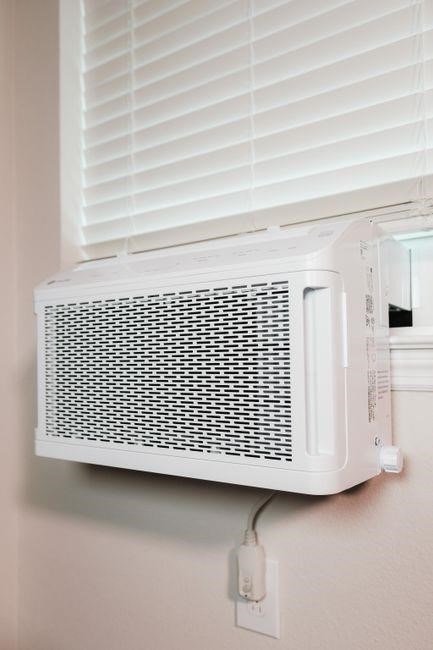
Overview of Fujitsu AC Manuals
Fujitsu AC manuals offer step‑by‑step guidance for installation, operation, and maintenance. Available as PDFs on the official site and trusted platforms like ManualsBrain, they detail model numbers, error codes, and warranty coverage. For help, see FAQ section!?
Purpose and Scope
The Fujitsu AC manual serves as the definitive reference for every user, installer, and technician dealing with Fujitsu’s air‑conditioning products. This guide covers safety precautions and warranty details for mind soon Its primary purpose is to provide clear, step‑by‑step instructions for safe installation, accurate operation, and routine maintenance, ensuring optimal performance and longevity of the unit. The scope of the manual extends across all Fujitsu split‑system, inverter, and multi‑zone models, covering indoor and outdoor units, as well as the associated electronic controls and thermostats. It includes detailed diagrams, wiring schematics, and mounting guidelines that comply with local electrical codes and safety standards. Additionally, the manual explains how to interpret diagnostic error codes displayed on the indoor unit’s interface, offering troubleshooting tips and corrective actions. Warranty information is also presented, outlining coverage limits, service procedures, and the process for claiming repairs or replacements. By consolidating installation procedures, operational settings, maintenance schedules, and safety precautions into a single document, the manual empowers users to achieve reliable, efficient cooling while protecting their investment and ensuring compliance with regulatory requirements. Keep the manual handy for future reference. Consult the troubleshooting section if error code appears
Locating Official Fujitsu Manuals
To find Fujitsu AC manuals, visit the support portal. Enter your model number in the search box, then download the PDF from the “User Manual” section. Only sites or platforms like ManualsBrain provide documents for all model
Official Fujitsu Website
Fujitsu’s official online portal is the most reliable source for authentic AC manuals. Navigate to the “Support” section, where a dedicated search bar allows you to input the exact model number or series code. The system will return a list of downloadable PDFs, including user guides, installation manuals, and technical service documents. Each file is labeled with the model designation, revision date, and language options, ensuring you select the correct version for your unit. The portal also offers a quick‑reference FAQ, troubleshooting tips, and a downloadable maintenance checklist. For units that require firmware updates, the site provides the latest software files and detailed instructions on how to apply them safely. If you encounter a non‑displayed model, contact Fujitsu customer service via the “Live Chat” or “Email Support” options; they can verify the correct manual and provide a direct download link. Additionally, the site hosts a “Warranty” section where you can confirm coverage details, claim status, and authorized service centers. All documents are signed with Fujitsu’s digital certificate, guaranteeing authenticity and compliance with regional safety standards. By using the official website, you avoid counterfeit or outdated manuals that may lead to improper installation or operation, thereby protecting both the unit’s performance and your safety. The portal’s interface is multilingual, supporting English, Japanese, Spanish, and other major languages, which helps users worldwide. The search function also accepts partial model numbers, making it convenient for those who only know the series. Once a manual is downloaded, you can view it in PDF format or convert it to a printable version. The site also offers a “Download All” feature for users who need multiple documents at once, such as installation, operation, and maintenance guides. For technicians, the portal provides a separate “Service Manual” section with detailed schematics, wiring diagrams, and diagnostic procedures. These resources are essential for troubleshooting complex issues and performing repairs that comply with Fujitsu’s warranty terms. Finally, the portal’s “News & Updates” page keeps users informed about new product releases, firmware updates, and safety notices, ensuring that your manual remains current throughout the unit’s lifespan. All updates are free OK
Downloading and Accessing PDFs
Access Fujitsu AC manuals by visiting the official website or trusted platforms like ManualsBrain. Enter your model number select the PDF and download. Ensure the file is signed and up‑to‑date for accurate and maintenance daily guidance Download now for support today.OK
Trusted Platforms (ManualsBrain, ManualsLib)
Fujitsu AC manuals are widely available on trusted sites such as ManualsBrain and ManualsLib. Users start by entering the exact model number—e.g., “ASG18RBA” or “ARU9RLF”—into the search bar. The platform filters results to show only matching PDFs, each labeled with firmware and release dates. A quick preview of the first pages confirms authenticity. ManualsBrain often marks files as “Verified,” while ManualsLib uses a star rating; higher ratings usually mean newer, community‑reviewed documents. Both sites provide direct download links; PDFs are typically a few megabytes, making them easy to transfer to a mobile device for on‑site reference. Each file includes a checksum, allowing users to verify integrity against the official Fujitsu support page. A high download count on the platform indicates widespread use and reliability. By using these trusted repositories, technicians and homeowners can quickly obtain accurate, up‑to‑date manuals without navigating the manufacturer’s cumbersome support portal. These resources also provide FAQ sections that answer common user questions, ensuring troubleshooting!

Identifying Your Model
Locate the model number on the unit’s label, usually on the indoor or outdoor cabinet. It follows a pattern like ASG18RBA or ARU9RLF. Note the series, capacity, and inverter type to match the correct manual. Verify on Fujitsu’s site. Check serial for region codes confirm unit type.!
Model Number Format
Fujitsu air‑conditioning units encode essential details in a concise alphanumeric model number. The format typically follows a pattern such as “ASG18RBA” or “ARU9RLF”. The first two letters indicate the series or product line, for example “AS” for the A‑Series inverter or “AR” for the ARU series. The next two digits represent the nominal capacity in kW, often rounded to the nearest 0.5 kW; “18” corresponds to 1.8 kW, while “09” denotes 0.9 kW. Following that, a single letter specifies the inverter type or power‑saving feature, such as “R” for a reversible compressor or “U” for an ultra‑low‑noise model. The final two letters identify the specific model variant or region code, for instance “BA” for a standard indoor unit or “LF” for a low‑frequency outdoor unit. Some newer models append a dash and a suffix (e.g., “-S”) to indicate a special edition or a bundled accessory. By dissecting the model number, technicians can quickly determine the correct installation manual, firmware version, and compatible accessories. Always cross‑check the printed label with the official Fujitsu database to avoid mismatched parts or firmware updates. This systematic approach ensures accurate troubleshooting and optimal performance across all Fujitsu AC systems. By mastering the model number format, users can swiftly locate the correct PDF, verify firmware compatibility, and ensure replacement parts match the unit’s specifications, extending lifespan longevity.!
Installation Instructions
Place indoor unit on a stable, level surface, 1 m from walls. Mount outdoor unit on a concrete slab, 1.5 m above ground; Connect refrigerant lines, ensuring correct gauge. Seal all joints, install condensate drain, and test for leaks before powering on and confirm wiring all.
Indoor Unit Placement
Indoor units should be mounted on a sturdy, level surface, ideally on a wall or a dedicated mounting plate. The unit must be positioned at least 1.2 m above the floor to allow proper airflow and to avoid dust accumulation. Maintain a minimum clearance of 15 cm on all sides for ventilation and 30 cm above the unit for maintenance access. Ensure the unit is not placed near heat sources, direct sunlight, or in confined spaces that could restrict airflow. The mounting surface should be able to support the unit’s weight, typically 15–20 kg, and should be secured with appropriate brackets or straps. Electrical connections must be made to a dedicated circuit with a residual‑current device (RCD) for safety. The indoor unit’s refrigerant lines should run in a straight, insulated path to the outdoor unit, avoiding sharp bends that could damage the tubing. Condensate drainage should be directed away from the unit, using a slope of at least 1 % to prevent water pooling. Finally, after installation, test the unit for proper operation, check for any leaks, and verify that the thermostat and remote controls are functioning correctly. Remember to verify the unit’s mounting angle aligns with the manufacturer’s recommended orientation, and always consult the model’s specific manual for any additional installation nuances. Check that the unit’s grounding is secure. OK!
Operation Guidelines
Set Fujitsu AC between 18°C–26°C. Use remote or wall panel to choose cooling, heating, fan, or auto. Low fan speed keeps it quiet. Clean filters monthly. Keep vents clear for airflow. Avoid extreme settings to prolong unit life. Follow the manual for seasonal adjustments
Temperature Settings
Fujitsu air‑conditioners allow precise temperature control to balance comfort and efficiency. The recommended operating range is 18 °C to 26 °C (64 °F to 78 °F). For most households, a 22 °C (72 °F) setting provides a comfortable environment while keeping power usage moderate. The unit’s display shows the current setpoint and actual indoor temperature; the difference between the two indicates the cooling or heating load. If you prefer a quiet operation, select the “Quiet” or “Sleep” mode, which raises the temperature setpoint by 1–2 °C during nighttime hours to reduce fan speed and compressor activity. Always avoid rapid temperature changes; a sudden shift of more than 3 °C can cause the compressor to cycle frequently, shortening its lifespan. For energy‑saving purposes, set the temperature 1–2 °C higher during the day when occupants are away, and lower it again when they return. The manual also advises checking the indoor unit’s airflow by ensuring vents are unobstructed and that the filter is clean, as restricted airflow can lead to higher temperature readings and increased energy use. By following these guidelines, you can maintain a comfortable indoor climate while optimizing the performance and longevity of your Fujitsu AC. To maximize efficiency, set the thermostat 2 °C higher during the day when the house is unoccupied, and lower it 2 °C at night for comfort, as Fujitsu’s Eco‑Mode automatically adjusts the fan speed to match the temperature difference! Remember to calibrate the unit annually to ensure readings and optimal performance.
Maintenance Practices
Regular maintenance keeps your Fujitsu AC efficient. Clean the indoor filter every month, inspect the outdoor unit for debris, and check the drain line for clogs. Schedule a professional tune‑up annually to verify refrigerant levels and electrical connections. Check belt daily
Filter Cleaning Routine
Keeping the indoor filter clean is essential for optimal airflow, energy efficiency, and indoor air quality. Begin by turning the unit and unplugging it to ensure safety. Locate the filter panel—usually found behind a small door on the front of the indoor unit. Gently remove the panel and lift the filter out. Inspect the filter for dust buildup; if it appears visibly dirty, rinse it under running water. Use a mild detergent if necessary, but avoid harsh chemicals that could damage the filter material. Let the filter dry completely before reinserting it—any residual moisture can lead to mold growth. For models with a removable pre‑filter, repeat the process monthly to prevent clogging. Additionally, check the filter housing for debris and wipe it clean with a damp cloth. Document each cleaning session in a maintenance log, noting the date and any observations. This routine not only prolongs the lifespan of the unit but also ensures that the HVAC system operates at peak performance, reducing energy consumption and maintaining a healthy indoor environment.
Additional tips include checking the filter daily housing for dust, using a vacuum brush to remove debris, and ensuring the filter is seated correctly. A clogged filter can reduce airflow by up to 30%, causing the compressor to work harder and increasing energy bills. daily
Troubleshooting
When the unit fails to cool, first check power and circuit breakers. Verify the indoor display for error codes; reference the manual’s code list. Reset by cycling power. If problems persist, contact service support.
Check filter now.!
Common Error Codes
Fujitsu AC manuals show two‑digit error codes on the indoor LCD, indicating faults from power problems to refrigerant levels. Manual lists actions for each code.
Below is the reference. For each code, recommends actions or advises contacting an installer.
- E01 – Power supply failure. Check the main breaker and power cord.
- E02 – Compressor fault. Inspect for overheating or mechanical damage.
- E03 – Sensor error. Verify temperature sensor wiring and connections.
- E04 – Fan motor failure. Replace the fan motor or its capacitor.
- E05 – High pressure alarm. Ensure proper refrigerant charge and check for blockages.
- E06 – Low pressure alarm. Verify refrigerant charge and inspect for leaks.
- E07 – Indoor unit communication error. Reset the unit and re‑pair.
- E08 – Outdoor unit communication error. Inspect the wiring harness.
- E09 – Filter sensor fault. Clean or replace the filter sensor.
- E10 – Indoor unit overheating. Check airflow and fan operation.
- E11 – Outdoor unit overheating. Inspect condenser coils and fan.
- E12 – System reset required. Power cycle the unit.

Safety and Warranty
Follow safety guidelines: keep unit dry, avoid overloading, use proper grounding, and perform regular inspections. Warranty covers parts for 2 years and labor for 1 year from purchase. Contact authorized service for repairs. for all units.
Warranty Coverage Details
Fujitsu air‑conditioning units are backed by a two‑year parts warranty and a one‑year labor warranty, both effective from the purchase date. Covered items include compressors, motors, electronic control boards, and major electrical components. Labor coverage applies during the first year after installation. The warranty excludes damage from improper installation, misuse, environmental factors such as excessive humidity or flooding, and wear‑and‑tear items like filters, batteries, and refrigerant charges. Routine maintenance is required to keep the warranty valid; failure to clean filters or check refrigerant levels can void coverage. To file a claim, keep the original receipt and service records, then contact an authorized Fujitsu service center via the official website or customer support hotline; A technician will verify warranty status and schedule a repair or replacement if the defect is covered. If the warranty has expired, Fujitsu offers a paid repair program with discounted rates for extended coverage. For full terms, refer to the warranty booklet included with the unit or download the PDF from the Fujitsu support portal. Maintaining accurate documentation and following the recommended service schedule maximizes warranty benefits and protects your investment. Warranty apply worldwide everywhere all.