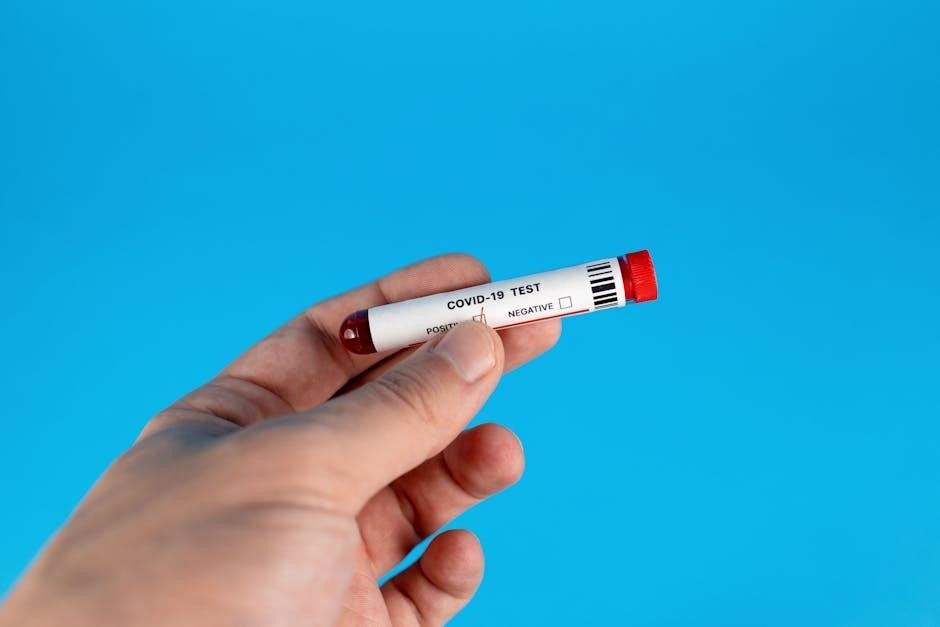
Understanding Positive COVID-19 Results in PDF Format
Positive COVID-19 results are increasingly delivered in PDF format, requiring understanding of report elements like patient data, viral load, and testing methodologies․
The widespread need for COVID-19 testing has led to a significant increase in the generation of digital reports, predominantly in PDF format․ These reports consolidate crucial information regarding a patient’s test results, facilitating timely clinical decisions and public health monitoring․
Understanding these PDF reports is paramount for healthcare professionals, patients, and organizations alike․ Accurate interpretation ensures appropriate follow-up actions, including treatment for high-risk individuals and adherence to public health guidelines․
Reporting positive rapid lateral flow test results is crucial, and clinical staff must be aware of eligibility criteria for treatments, reminding patients to test when symptomatic․
Types of COVID-19 Tests Resulting in PDFs
COVID-19 testing encompasses various methodologies, with Polymerase Chain Reaction (PCR) and Rapid Antigen tests being the most prevalent․ Both test types frequently generate results documented in PDF reports, though the content and complexity can differ significantly․
PCR tests, known for their high sensitivity, typically yield detailed PDF reports including cycle threshold (Ct) values․ Rapid Antigen tests offer quicker results, often presented in a more concise PDF format, focusing on positive or negative detection;
Understanding the specific assay used – such as BD MAX or Cepheid Xpress – is vital, as these can have unique reporting characteristics and potential for false positives․
PCR Tests and PDF Reports
PCR (Polymerase Chain Reaction) tests are highly sensitive methods for detecting SARS-CoV-2, and their PDF reports are typically comprehensive․ These reports detail patient demographics, test information, and crucially, the viral load expressed as a Ct value․

Lower Ct values generally indicate higher viral loads, though interpretation requires caution․ PDFs from assays like Cepheid Xpress require careful review to avoid reporting technical false positives․ Understanding the assay’s specific limitations is essential for accurate result interpretation․
MEQE guidelines are recommended for qPCR troubleshooting, though manufacturers’ proprietary algorithms can complicate this process․
Rapid Antigen Tests and PDF Reporting
Rapid Antigen Tests offer quicker results, often reported in PDF format, though typically less detailed than PCR reports․ These PDFs usually confirm a positive or negative result, and may include patient information and test date․
Changes in reporting of positive rapid lateral flow test results require clinical staff awareness of eligibility criteria for COVID-19 treatments․ Patients should be reminded to test when symptomatic and report positive findings promptly․

While generally straightforward, understanding potential limitations and following public health guidelines remain crucial when interpreting these PDF reports․
Interpreting Key Elements within a Positive COVID-19 PDF

Positive COVID-19 PDF reports contain crucial information requiring careful interpretation․ Patient demographics and test information – name, date of birth, test type, and date performed – are fundamental․
Understanding the viral load, often expressed as a Ct value, is significant; lower values generally indicate higher viral loads․ However, interpretation varies by assay․
Decision limits defining positive, negative, and indeterminate results are vital, ideally selected a priori based on manufacturer guidance or prior studies․ Accurate interpretation guides appropriate action․
Patient Demographics and Test Information
Positive COVID-19 PDF reports begin with essential patient demographics – full name, date of birth, and often, a unique patient identifier․ This ensures accurate result association․
Crucially, the report details test information: the specific test performed (PCR, antigen), the date and time of sample collection, and the laboratory performing the analysis․
These details are fundamental for verifying the report’s validity and tracing the testing process․ Correctly identifying this information is the first step in interpreting the results․
Viral Load (Ct Value) and its Significance
Positive COVID-19 PDF reports from PCR tests often include the Ct value (Cycle threshold)․ This value represents the number of cycles needed to detect viral RNA, inversely correlating with viral load․
Lower Ct values generally indicate a higher viral load, potentially suggesting greater infectiousness, though this isn’t definitive․ Higher Ct values suggest lower viral loads․
Understanding Ct values aids in clinical assessment, especially when considering treatment eligibility․ However, interpretation requires caution, as Ct values can vary based on testing platform and sample quality․
Understanding False Positives in COVID-19 Tests
Positive COVID-19 PDF results aren’t always definitive; false positives can occur․ These arise from contamination, technical errors, or cross-reactivity․ Understanding the causes is crucial for accurate interpretation․
Specific assays, like BD MAX and Cepheid Xpress, have documented instances of technical false positives, particularly with low prevalence․ Careful attention to quality control and reporting guidelines is essential․
A report highlights averting false positives using the BD MAX platform․ Recognizing potential pitfalls and employing appropriate troubleshooting steps minimizes inaccurate results and informs appropriate patient management․
Causes of False Positive Results
False positive COVID-19 results within PDF reports stem from several factors․ Contamination during sample collection or processing is a primary cause, alongside technical errors inherent in the assay itself․ Cross-reactivity, where the test detects something other than SARS-CoV-2, also contributes․
Low viral loads, particularly near the assay’s detection limit, increase the risk․ The BD MAX platform, specifically, has shown susceptibility to technical errors leading to false positives when processing nasal swabs․
Understanding these potential pitfalls is vital for clinicians interpreting positive COVID-19 PDF results and avoiding unnecessary interventions․
BD MAX and Cepheid Xpress Assays ⎼ Specific Considerations
PDF reports from the BD MAX and Cepheid Xpress SARS-CoV-2 assays require careful scrutiny due to potential for false positives․ Reports indicate the BD MAX platform is prone to technical issues when analyzing nasal swabs, potentially leading to inaccurate positive results․
Understanding the nuances of each assay is crucial․ Clinicians should be aware of the specific limitations and potential for error associated with each platform when interpreting positive COVID-19 PDF results․
Careful consideration of clinical context and repeat testing may be necessary․
Reporting Positive COVID-19 Results – Guidelines and Procedures
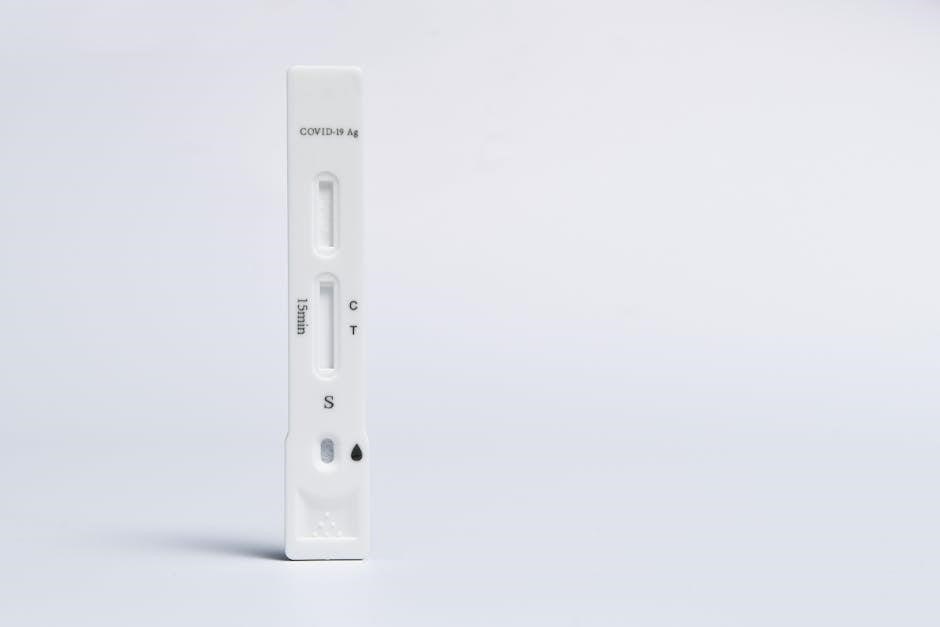
Positive COVID-19 results, often delivered as PDFs, necessitate adherence to strict reporting guidelines․ Clinical staff must promptly report all positive findings to public health authorities, ensuring timely contact tracing and outbreak control․

Workplace protocols demand immediate action upon notification of a positive case․ Supervisors are responsible for instructing affected employees to isolate and follow public health recommendations, as detailed in PDF reports․
Accurate and timely reporting, guided by the information within the PDF, is vital for mitigating further spread․
Reporting to Public Health Authorities
Positive COVID-19 results, often documented in PDF format, require immediate reporting to designated public health authorities․ This crucial step enables effective disease surveillance and contact tracing efforts․
Reporting typically involves submitting the PDF report, containing vital patient demographics and test details, through secure electronic channels or established reporting systems․
Timely and accurate reporting, as evidenced by the information within the PDF, is paramount for informing public health interventions and protecting community health․
Workplace Protocols Following a Positive Result
Upon receiving a positive COVID-19 result, often presented as a PDF, employees must immediately notify their supervisor and adhere to established workplace protocols․
Supervisors, as outlined in guidelines, are responsible for ensuring the affected individual stays home and follows public health recommendations, referencing the PDF documentation․
Protocols may include contact tracing within the workplace, enhanced cleaning and disinfection procedures, and potential temporary closures to mitigate further spread․ The PDF serves as official documentation for these actions․
COVID-19 Treatments for High-Risk Individuals
A positive COVID-19 result, often detailed in a PDF report, triggers an assessment of eligibility for available treatments, particularly for high-risk individuals․
Clinical staff must inform eligible patients, newly diagnosed or under review, about the importance of testing when symptomatic and reporting PDF-confirmed positive results․
NICE guidance (TA878, NG191) outlines recommendations for treatments like Casirivimab plus imdevimab, nirmatrelvir plus ritonavir, sotrovimab, and tocilizumab, based on the PDF’s diagnostic information․
Eligibility Criteria for COVID-19 Treatments
A positive COVID-19 result, documented in a PDF report, initiates a review of patient eligibility for antiviral treatments․ Clinical staff are crucial in identifying those who qualify․
Eligibility hinges on factors like age, underlying health conditions, and the severity of symptoms, all potentially indicated within the PDF’s data․
NICE guidelines (TA878, NG191) provide specific criteria for treatments such as Casirivimab plus imdevimab, nirmatrelvir plus ritonavir, and sotrovimab, ensuring appropriate allocation based on the PDF’s findings․
NICE Guidance on COVID-19 Treatments (TA878, NG191)
Following a positive COVID-19 result, often confirmed via a PDF report, NICE (National Institute for Health and Care Excellence) provides crucial guidance on treatment options․
TA878 covers specific technologies like Casirivimab plus imdevimab, nirmatrelvir plus ritonavir, sotrovimab, and tocilizumab․ NG191 offers a rapid guideline for managing COVID-19, focusing on licensed medicines․
These guidelines, informed by the data within the PDF report, help clinicians determine the most effective treatment strategies, ensuring patients receive evidence-based care aligned with current best practices and evolving understanding of the virus․
Decision Limits for Positive, Negative, and Indeterminate Results
Interpreting a positive COVID-19 result from a PDF report necessitates understanding defined decision limits․ These limits establish cut-off points differentiating positive, negative, and indeterminate test outcomes․
Ideally, these thresholds should be selected a priori – before testing – based on manufacturer guidelines or prior scientific validation studies․ This pre-determination minimizes bias in result interpretation․
Clear decision limits are vital for accurate reporting, especially when analyzing PDF-delivered results․ Properly defined thresholds ensure consistent and reliable identification of infections, guiding appropriate public health responses․
Defining Cut-off Points for Test Results
Establishing precise cut-off points is crucial when interpreting positive COVID-19 results presented in PDF reports․ These points delineate the boundary between detectable and undetectable viral presence, impacting diagnostic accuracy․
Manufacturers often provide recommended cut-offs, but these should be validated against local epidemiological data․ Selecting appropriate thresholds minimizes false positives and negatives, ensuring reliable identification of infected individuals․
Consistent application of these cut-offs across all tests is paramount for comparable results․ Careful consideration of these points is essential for accurate PDF report interpretation․
Importance of A Priori Selection of Decision Limits
A priori selection of decision limits – cut-off points for positive, negative, and indeterminate COVID-19 results in PDF reports – is vital for minimizing bias and ensuring test reliability․ Defining these limits before analyzing data prevents subjective adjustments based on desired outcomes․
This proactive approach, guided by manufacturer specifications or prior validation studies, enhances the objectivity of PDF result interpretation․ It strengthens the scientific validity of diagnoses and supports consistent reporting․
Predefined limits contribute to standardized testing protocols and improve the comparability of results across different laboratories․
MEQE Guidelines and qPCR Troubleshooting
qPCR troubleshooting, while often manufacturer-specific due to proprietary algorithms, benefits from adherence to the MEQE guidelines when interpreting PDF-based COVID-19 results․ These guidelines offer a framework for evaluating the quality of quantitative PCR assays․
Although detailed troubleshooting falls outside the scope of a general report, recognizing the importance of assay quality is crucial․ Issues impacting accuracy can lead to false positives or negatives reflected in the PDF․
Following MEQE principles aids in identifying and addressing potential sources of error, ensuring reliable test outcomes․
Managing Invalid or Indeterminate Test Results
PDF reports may occasionally present invalid or indeterminate COVID-19 test results, necessitating clear procedures․ When these occur, repeat testing is essential to confirm the initial finding and avoid misdiagnosis․
Protocols for repeat testing should be clearly defined and consistently applied․ It’s vital to document the methods used to determine the need for retesting and the rationale behind the decision․
Furthermore, the number of repeat tests performed should be meticulously recorded and reported alongside the final result, ensuring transparency and data integrity within the PDF documentation․
Repeat Testing Procedures
Following an invalid or indeterminate COVID-19 result in a PDF report, standardized repeat testing procedures are crucial․ These should involve collecting a new sample, ideally using the same testing method as the initial attempt, to minimize variability․
The timing of repeat testing is also important; it should occur as soon as reasonably possible to facilitate timely diagnosis and management․ Clear guidelines must outline who is responsible for initiating and overseeing the repeat testing process․
PDF documentation should detail the specific steps taken during repeat testing, ensuring a comprehensive audit trail․
Reporting the Number of Repeat Tests

Accurate reporting of repeat COVID-19 tests is vital for data analysis and quality control, particularly when interpreting PDF-based results․ Laboratories and healthcare facilities must maintain a clear record of all initial, invalid/indeterminate, and subsequent repeat tests performed for each patient․
This reporting should include the total number of repeat tests conducted, the reasons for repeat testing (e․g․, invalid result), and the final outcome of each test․
Transparent documentation within the PDF system ensures traceability and supports ongoing efforts to optimize testing protocols and minimize errors․
Staying Home and Following Public Health Guidelines
Receiving a positive COVID-19 result, often via a PDF report, necessitates immediate adherence to public health recommendations․ Individuals must isolate themselves to prevent further transmission, following guidelines issued by local authorities․
Supervisors, upon notification of a positive case, have a responsibility to reinforce the importance of staying home and accessing relevant support resources․
Compliance with these guidelines – detailed within the PDF or via public health websites – is crucial for controlling the spread and protecting vulnerable populations․
Supervisor Responsibilities Upon Notification of a Positive Result
When an employee presents a positive COVID-19 result, often delivered as a PDF, supervisors play a vital role in ensuring appropriate action․ The immediate priority is to request the employee stay home and strictly follow Public Health guidelines, reinforcing this expectation firmly․

Supervisors must also facilitate access to information regarding testing, treatment eligibility (like NICE guidance TA878, NG191), and reporting procedures․
Maintaining confidentiality while supporting the employee’s health and safety is paramount, alongside adherence to workplace protocols․
Adhering to Local Public Health Recommendations
Following a positive COVID-19 result, often confirmed via a PDF report, strict adherence to local Public Health recommendations is crucial․ These guidelines dictate isolation periods, testing protocols for close contacts, and reporting requirements to authorities․
Staying informed about evolving recommendations is vital, as they can change based on community transmission rates and emerging variants․
Individuals should consult their local health department’s website or hotline for the most up-to-date information, ensuring responsible behavior to mitigate further spread and protect vulnerable populations․